How Many Diapers of Each Size You Actually Need

Registry lists give confident numbers for a baby nobody has met. What is actually knowable, where the size chart stops helping, and what not to overbuy.

 BySaima Mostari
Registry lists give confident numbers for a baby nobody has met. What is actually knowable, where the size chart stops helping, and what not to overbuy.
 BySaima Mostari
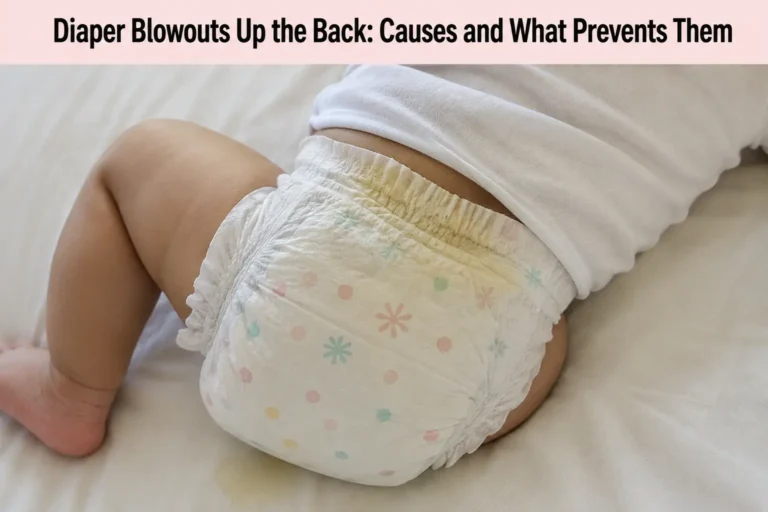
Up the back is gap, gravity and a full diaper lining up. The fix order that works, why tighter is the wrong move, and when it is the stool, not the diaper.
 BySaima Mostari
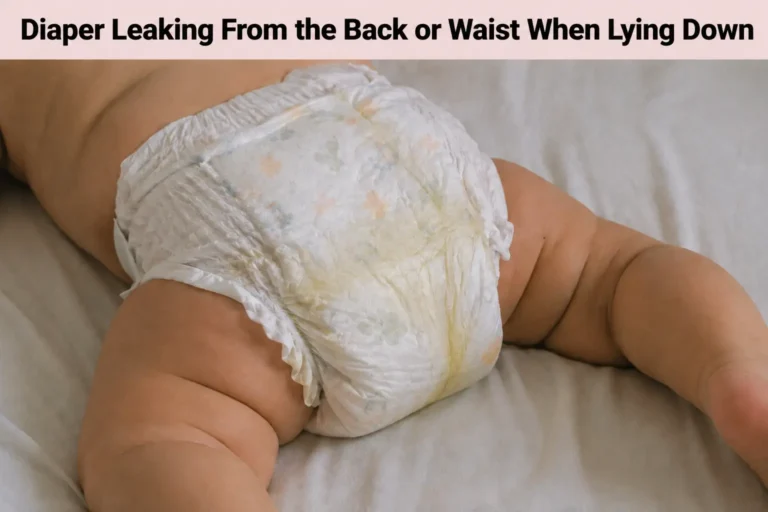
A back or waist leak is a seal failure, not an absorbency failure. Why lying down causes it, and why the fix is the opposite of a leg leak fix.
 BySaima Mostari
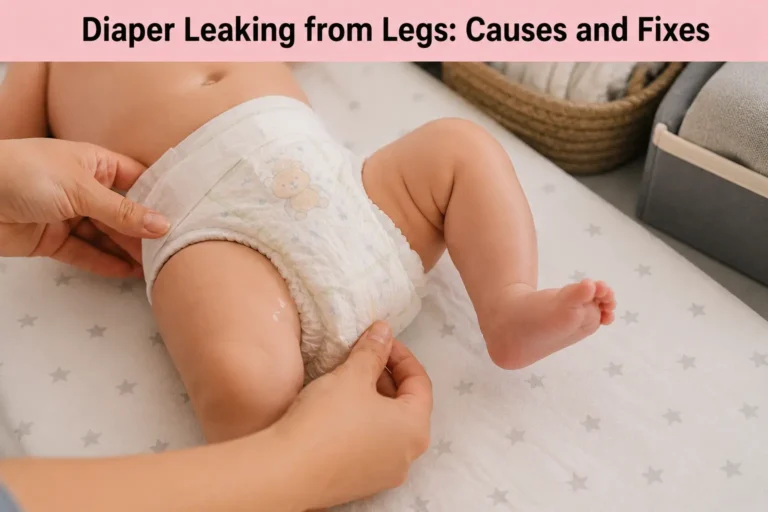
Wet thighs with a dry waist is a seal failure at the leg cuff. Why a bigger diaper usually makes it worse, and the check that fixes most of them.
 BySaima Mostari
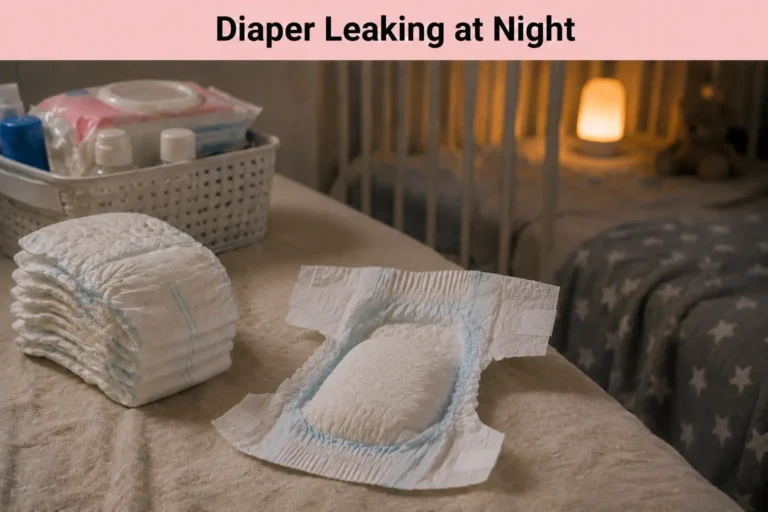
Night leaks are a different problem from day leaks. Where the wetness lands tells you which of four causes it is, and sizing up fixes only one.
 BySaima Mostari
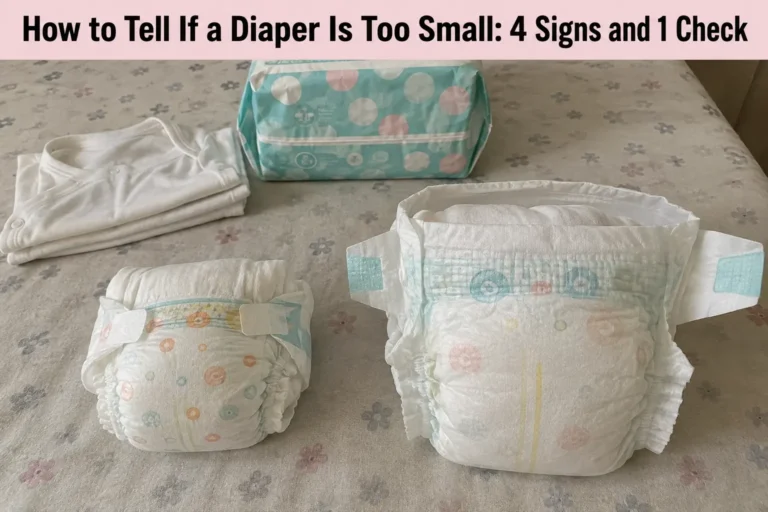
Red marks and tabs that barely meet are not always a size problem. The 4 signs a diaper is too small, plus the fit check to run before you size up.
 BySaima Mostari
Retail preemie size means up to about 6 lb. The smaller NICU sizes are hospital only. What the published charts say, and who to ask before you buy.
 BySaima Mostari
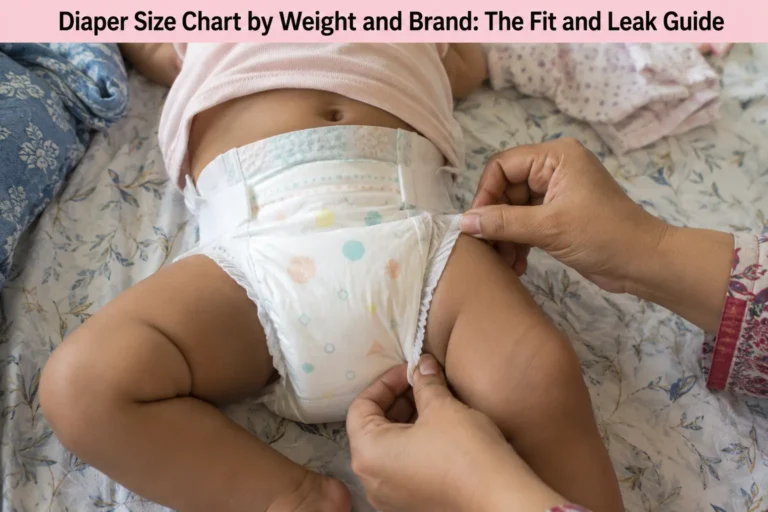
The printed weight ranges are nearly identical across brands. Here is the chart, and the fit checks that actually decide which diaper stops the leaks.
 BySaima Mostari
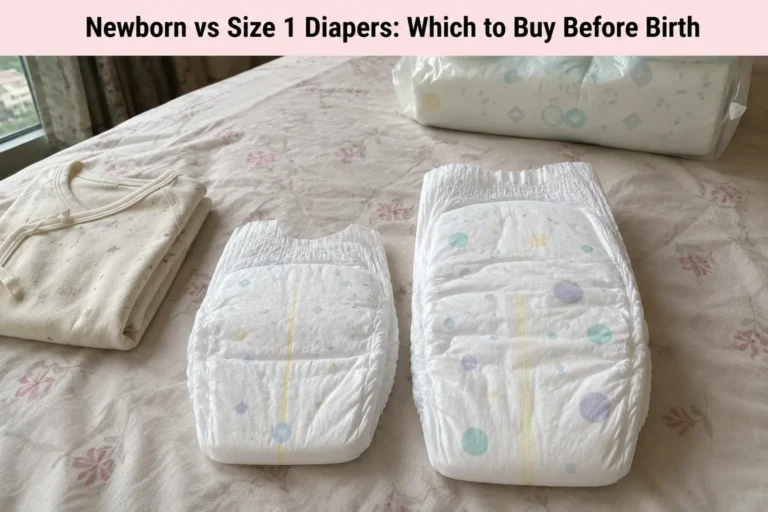
Newborn runs up to 10 lb and size 1 starts at 8 lb. What that two pound overlap actually decides, and how many of each to buy before the birth.
 BySaima Mostari
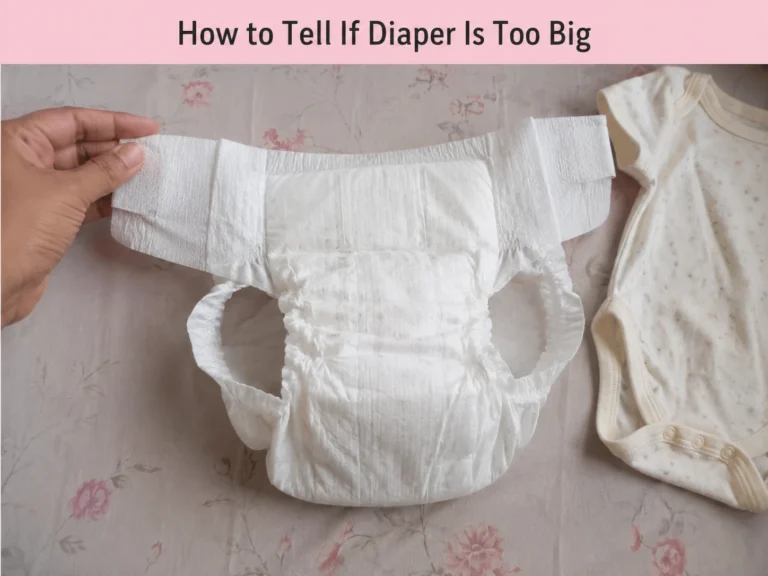
A diaper that is too big leaks without leaving a single mark. The signs, the four ways it happens, and what to do with the box you already bought.