Size 7 and Size 8 Diapers: Who Makes Them and When You Need Them

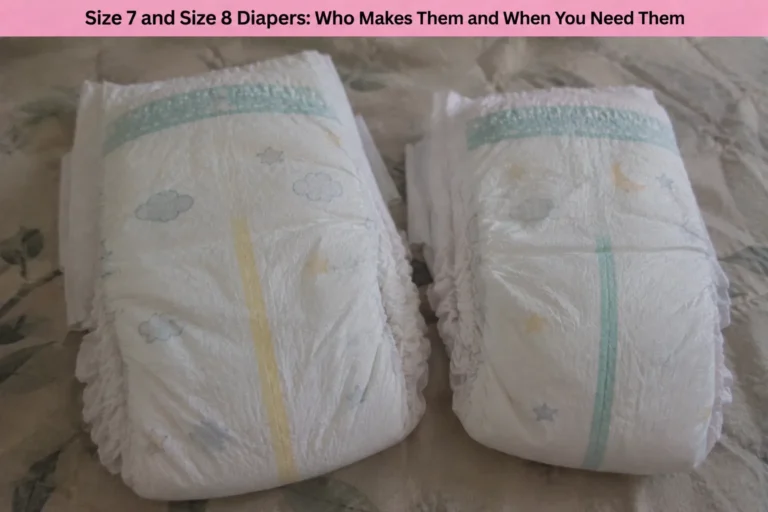
Past size 6 and not ready for pull-ups. Why the top of the chart is open-ended, what that means for choosing, and why availability is the real constraint.

 BySaima Mostari
Past size 6 and not ready for pull-ups. Why the top of the chart is open-ended, what that means for choosing, and why availability is the real constraint.
 BySaima Mostari
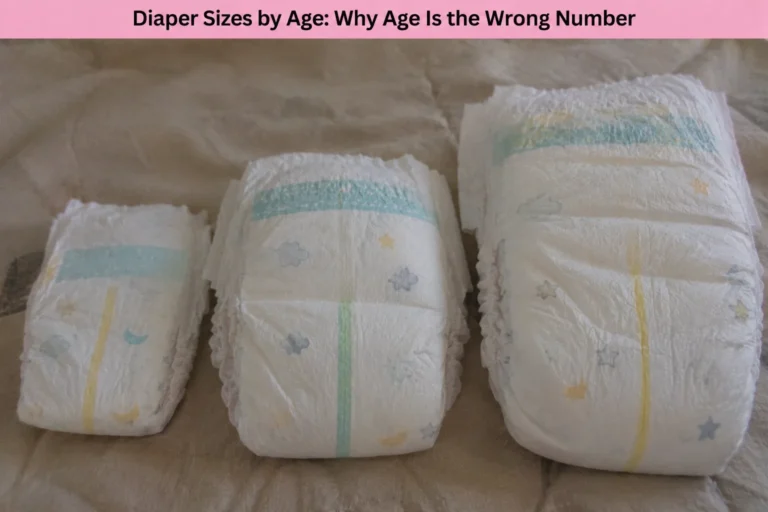
Age charts exist because people search for them, not because they work. What the weight bands actually say, where they stop deciding anything, and what does.
 BySaima Mostari
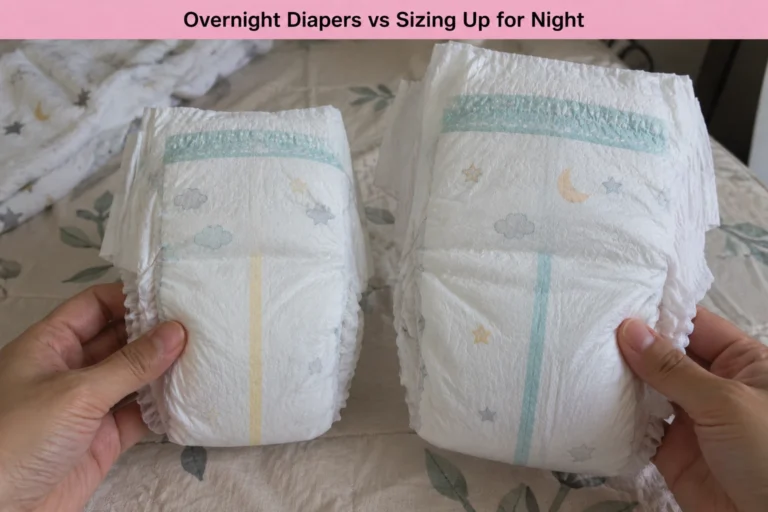
Two ways to buy your way out of a morning leak, and one of them changes the fit. What each actually does, and the claim on the box that is not a specification.
 BySaima Mostari
A booster adds absorbency inside the diaper you already use. When that is the right problem to solve, when it is not, and the safety point nobody leads with.
 BySaima Mostari
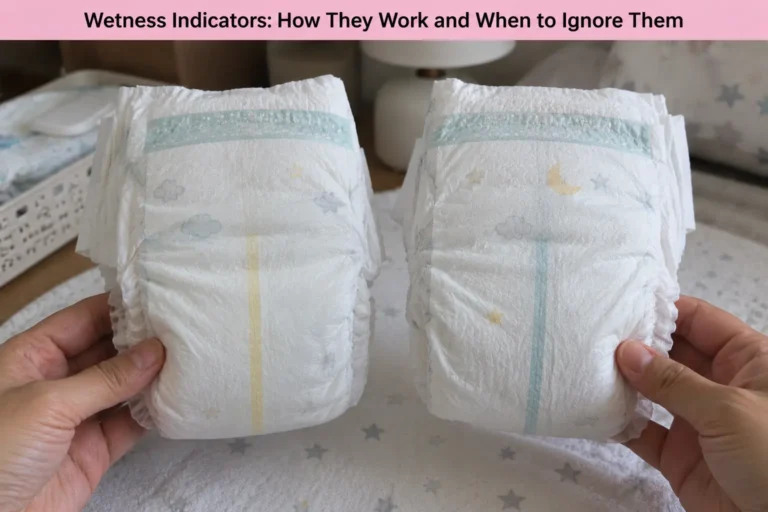
The line turned blue and the diaper feels dry. What the stripe is actually reporting, what nobody publishes about it, and why it is a prompt rather than an instruction.
 BySaima Mostari
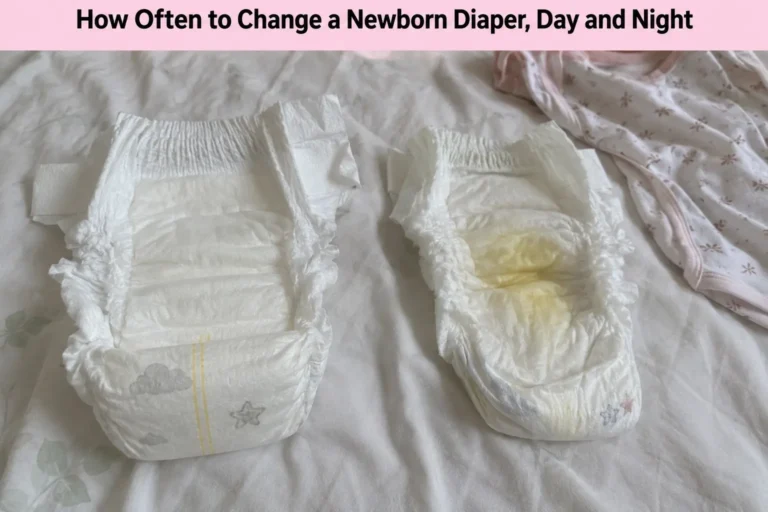
What the AAP publishes about diaper changing and infant skin, why wet-diaper counts matter in the newborn period, and why the night question belongs to your pediatrician.
 BySaima Mostari
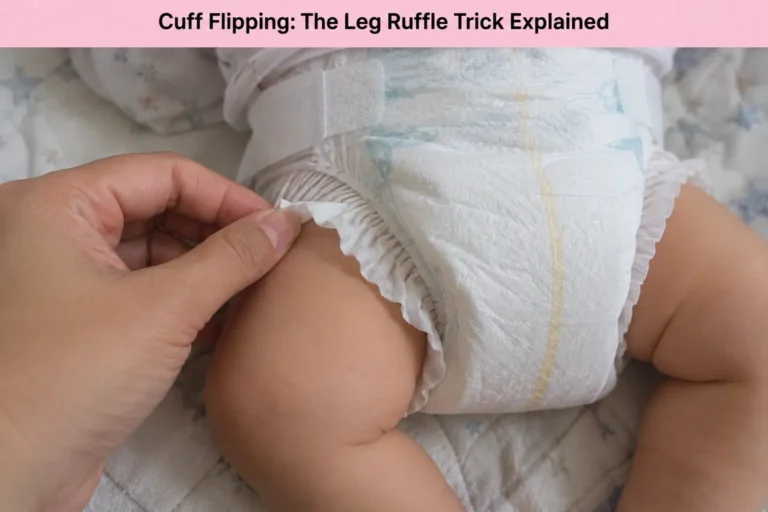
The ruffles are a barrier, and folded inward they become a wick. Why the trick works, why it has to happen every change, and what it will not fix.
 BySaima Mostari
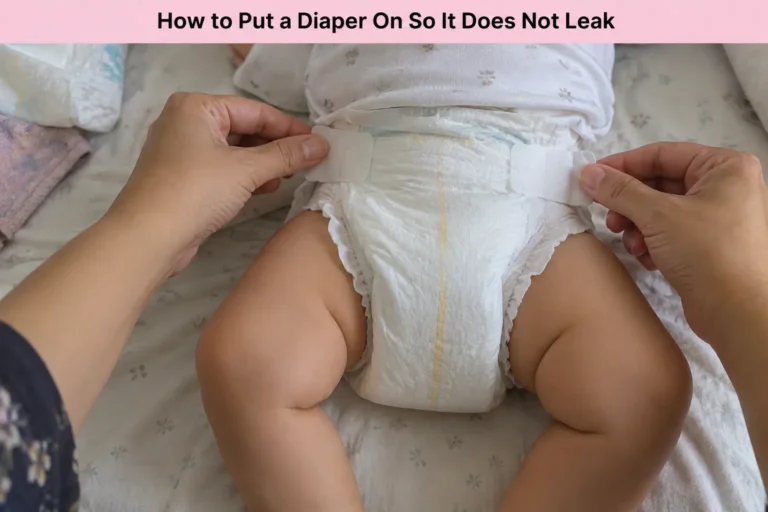
The order of operations that builds the two seals, the step everyone skips, and the manufacturer instruction that is printed on nobody’s box.
 BySaima Mostari
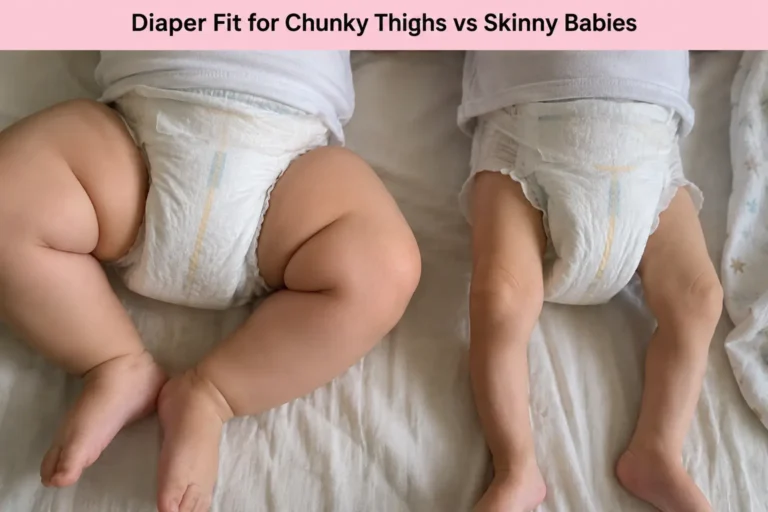
The weight is right and the shape is wrong. Why the size chart cannot solve this, the three measurements nobody publishes, and how to test a brand honestly.
 BySaima Mostari
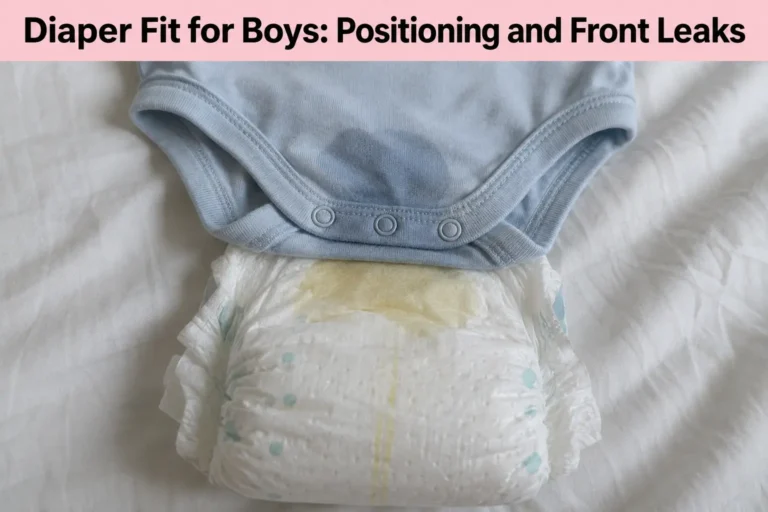
Front of the diaper soaked, back completely dry. Why that pattern points at position rather than size, and the free fix to try before you buy anything.